Why Remove Spray Foam?
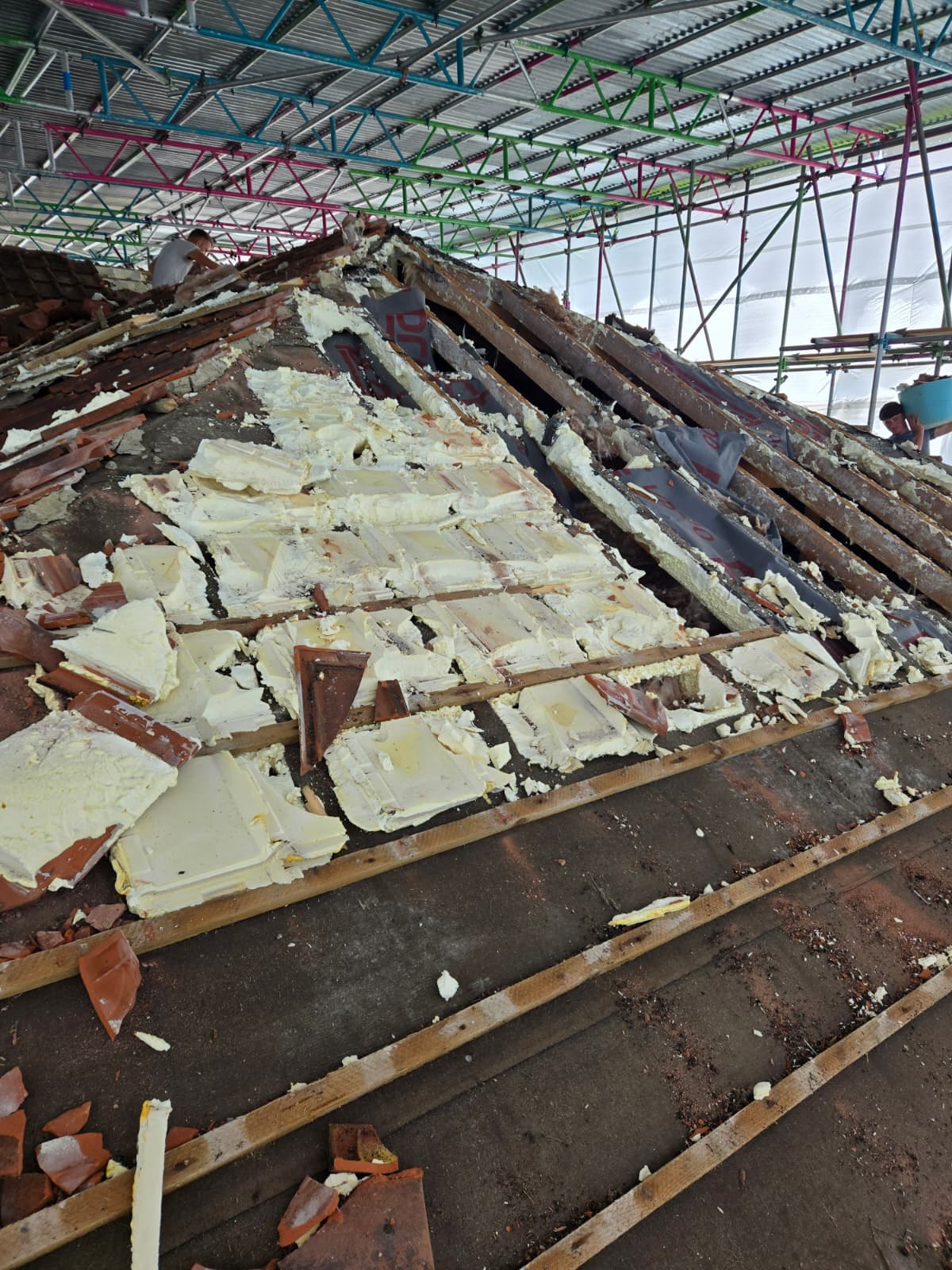
Spray foam insulation was originally marketed as an energy-saving solution, promising reduced heating bills and improved efficiency. However, beneath these claims lies a range of serious problems that many homeowners across Kent are only now beginning to discover. Spray foam often traps moisture, creates ventilation issues, and can hide structural defects in your roof — all of which can lead to expensive long-term damage.
What’s more, it is now becoming a major obstacle when buying, selling, or remortgaging property. Lenders and surveyors increasingly treat homes with spray foam as high-risk, meaning mortgage applications are refused until the insulation has been professionally removed. This has left many homeowners with unexpected costs and sales falling through at the last minute.
Impact On Property Values
Having spray foam in your roof can significantly reduce your home’s resale appeal. Prospective buyers are wary of hidden damage, and many lenders outright refuse mortgages, meaning your pool of potential buyers instantly shrinks. Estate agents frequently report reduced property values where spray foam is present.
Even if you’re not planning to sell immediately, leaving spray foam in place could harm your future plans. The longer it remains, the higher the chance of hidden timber decay, dampness, or roof problems that reduce your property’s worth. By removing it now, you’re safeguarding the long-term value of your biggest investment.
For homeowners in Kent, spray foam removal is fast becoming less of a choice and more of a necessity. Acting early ensures you’re not left with costly surprises when it comes time to move.
Serious Structural Concerns
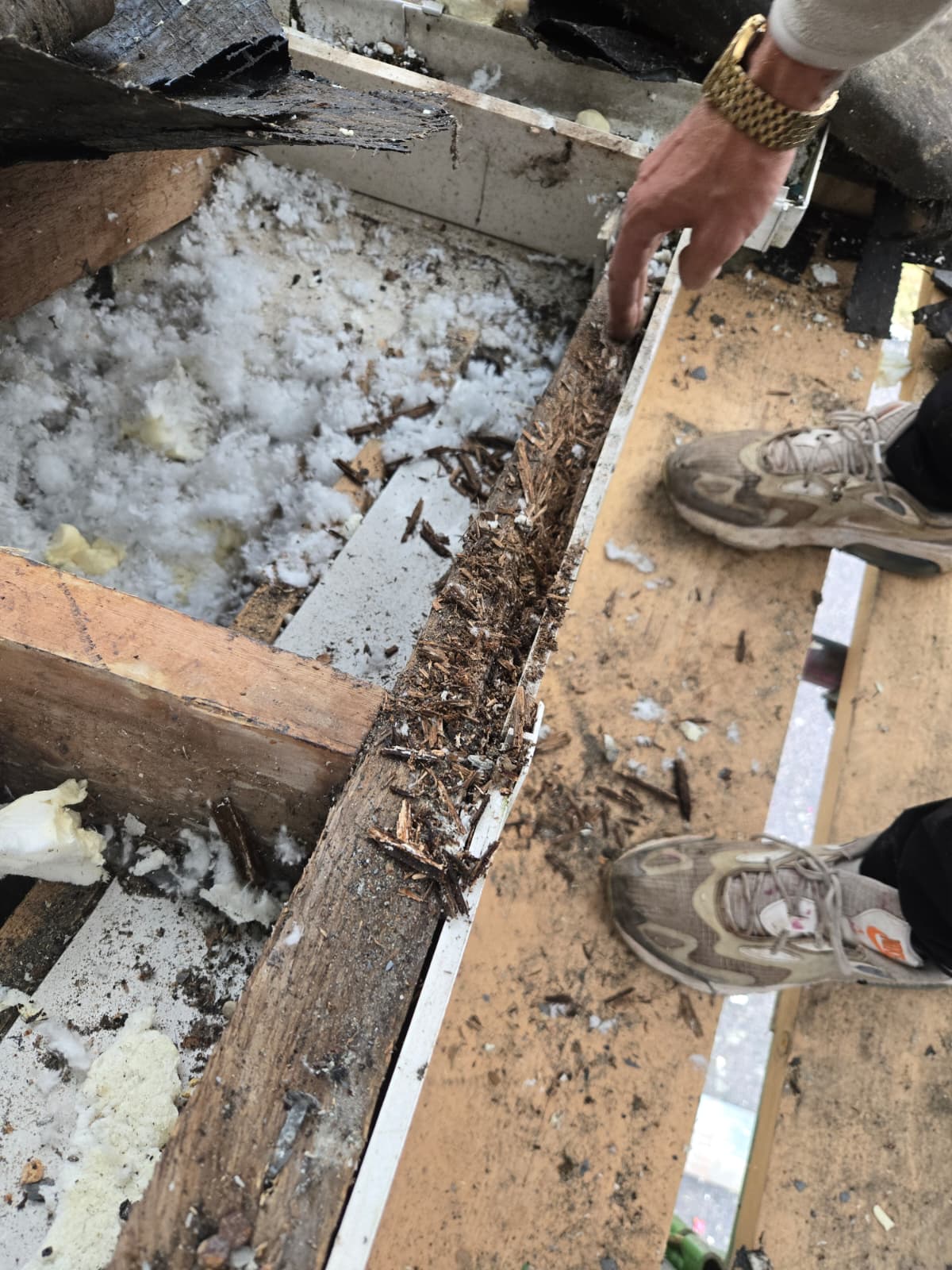
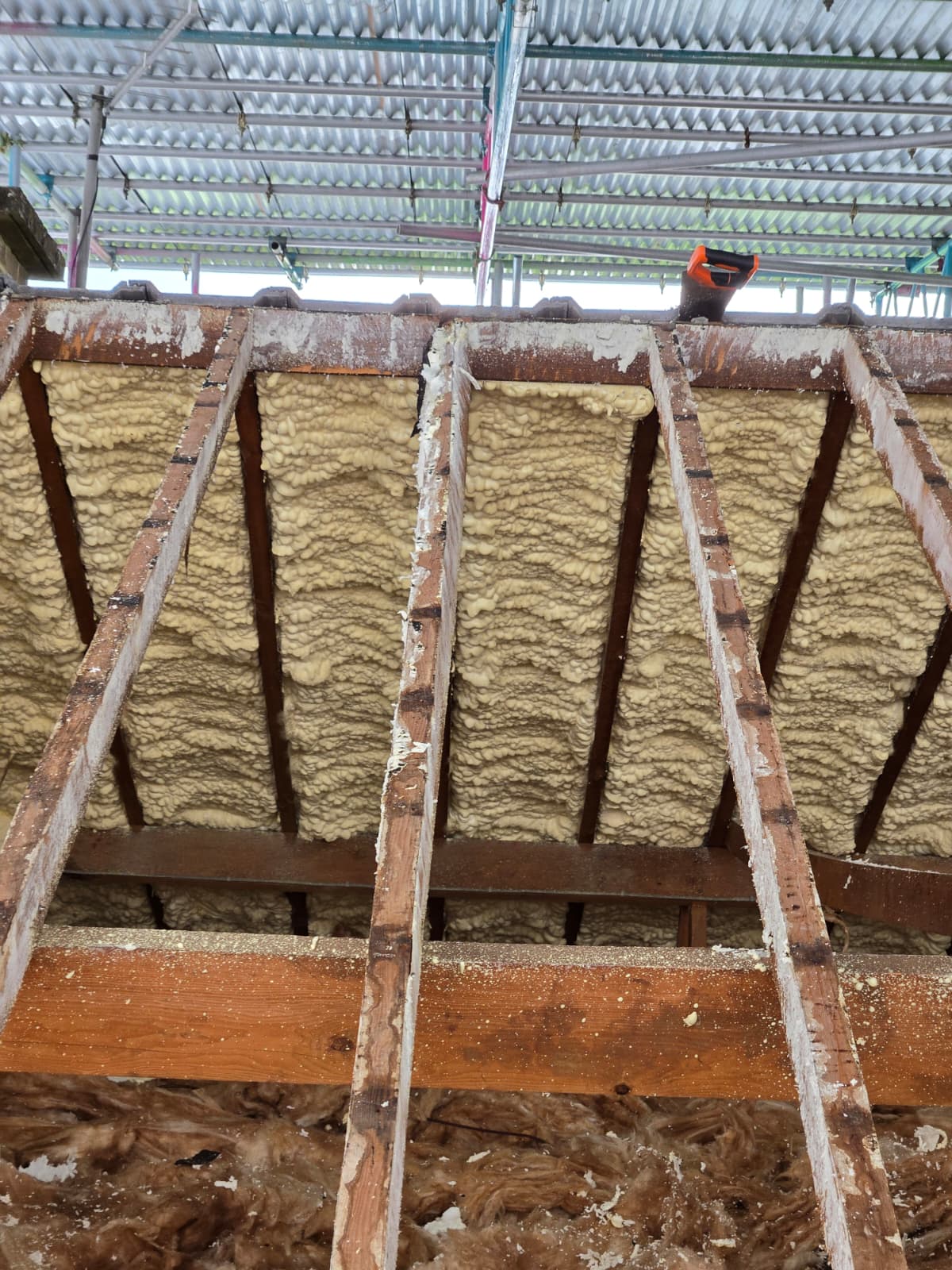
One of the most worrying issues with spray foam insulation is its effect on your roof timbers. Because the foam bonds tightly to wood, it prevents essential ventilation and traps moisture where it shouldn’t be. Over time, this can cause rot, weakening your roof structure and risking costly repairs.
Surveyors often struggle to assess the true condition of timber beams when they are completely covered by spray foam. This means damage can go unnoticed for years, only to emerge later as a major structural problem. What seems like a quick fix for insulation often turns into a hidden ticking time bomb.
Professional removal not only protects your roof from further damage but also restores the breathability of your home, ensuring the timber can stay dry and healthy for the future.
Why Removal Is Essential
Some homeowners may be tempted to leave spray foam in place, especially if they aren’t immediately facing problems. However, the reality is that lenders, surveyors, and buyers now see spray foam as a red flag. Even if your roof appears fine, it is almost certain to affect financial and property decisions moving forward.
By choosing removal, you’re not only solving potential structural and health concerns but also making your property more attractive to future buyers. Removal restores confidence in your home, reassures lenders, and ensures your loft can be properly inspected whenever required.
Ultimately, spray foam insulation removal is about protecting your home, your investment, and your peace of mind. With a professional team, the process is safe, effective, and leaves your property in far better shape for the future.
Frequently Asked Questions
When carried out by professionals, spray foam removal is safe and avoids damage to roof timbers or structures.
Mortgage providers reject spray foam because it hides roof timbers, making proper inspections impossible and posing structural risks.
Yes, it can cause trapped moisture, rot, and even respiratory issues from chemical residues, especially in poorly ventilated spaces.
Most removals are completed within a few days, depending on the size of the roof and extent of foam coverage.
Selling is extremely difficult, as most buyers cannot secure a mortgage until the foam has been fully removed.
Once removed, your roof will be fully breathable again and suitable for safe, mortgage-friendly insulation alternatives.
Costs vary, but removal is far cheaper than dealing with collapsed sales, reduced property values, or major structural repairs.
Yes, professional removal includes certification and reports that lenders and surveyors accept when approving mortgages.